By Jensen and Company
Every neighborhood in Park City looks appealing during a ski trip or a summer weekend visit. The light is good, the energy is high, and it's easy to make a decision that's really about the moment rather than the place. We've worked with enough buyers to know that the evaluations that happen before an offer — not after — are the ones that determine long-term satisfaction.
Key Takeaways
- Why your lifestyle priorities need to define the neighborhood search, not follow it
- How HOA rules and short-term rental regulations vary significantly across Park City
- What "access" really means in a mountain market across all four seasons
- How to think about resale value from the beginning, not the end
Know What You're Actually Optimizing For
Before evaluating any specific neighborhood, buyers need clarity on what they're actually buying for. A buyer who wants ski-in access and walkable dining has a completely different profile than one who wants privacy, acreage, and a quieter pace. Park City's neighborhoods are genuinely distinct — Old Town, Silver Springs, Jeremy Ranch, Pinebrook, and Promontory each offer a different version of mountain life, and no single one is the right answer for everyone.
Questions to Settle Before You Start Touring
- Are you buying as a primary residence, a second home, or an investment property — or some combination?
- How often will you actually use the property, and in which seasons?
- Is walkability to dining and nightlife important, or do you prefer separation from the resort energy?
- Do you want trail access, ski access, or both — and are you willing to drive for one of them?
Understand the HOA and Rental Rules Before You Fall In Love
Short-term rental regulations and HOA restrictions vary widely across Park City and aren't always visible in a listing description. Some communities allow nightly rentals with few restrictions; others prohibit them entirely. HOA fees, rental caps, and covenant restrictions can significantly affect both your lifestyle and the investment case for a property. We've seen buyers go under contract only to discover in due diligence that the property doesn't work for their intended use.
What to Verify Before Making an Offer
- Whether the neighborhood is zoned for short-term nightly rentals under Park City or Summit County regulations
- The full HOA fee structure — including monthly dues, reserves, and any recent special assessments
- Specific covenants that restrict rentals, exterior modifications, or property use
- Whether rental history on the property, if any, is transferable to a new owner
Ask About Access — Not Just in October
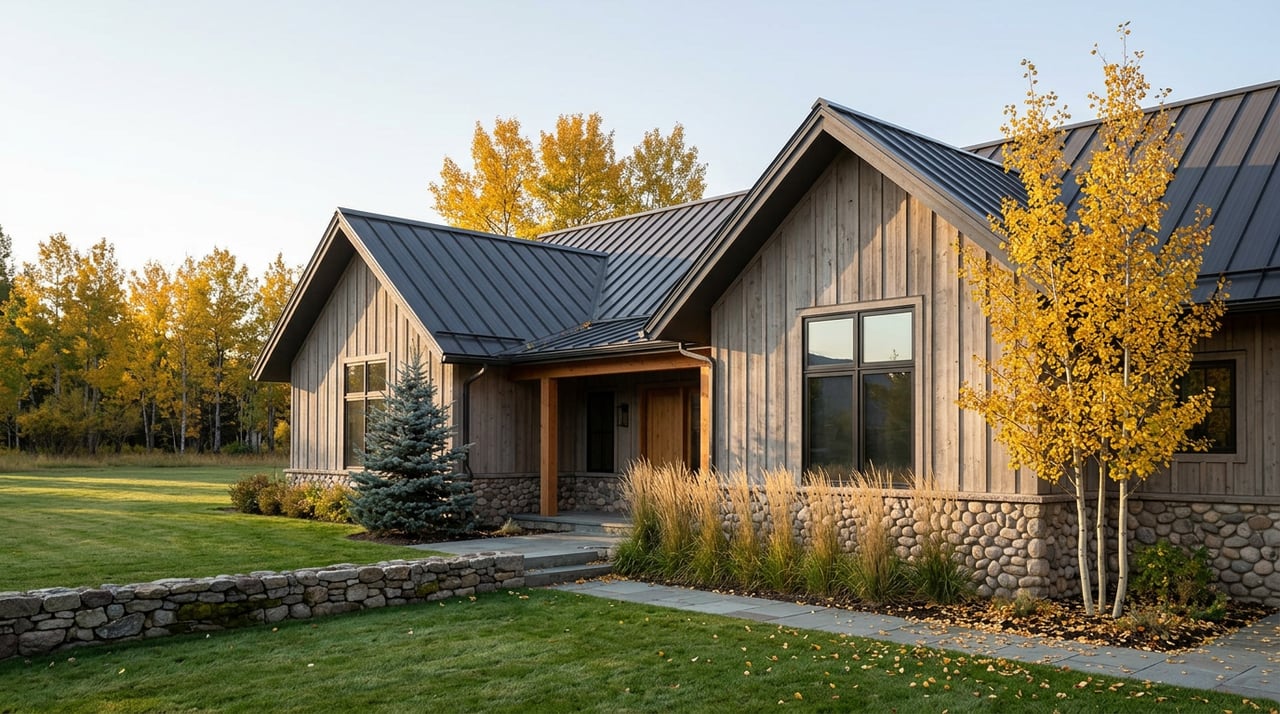
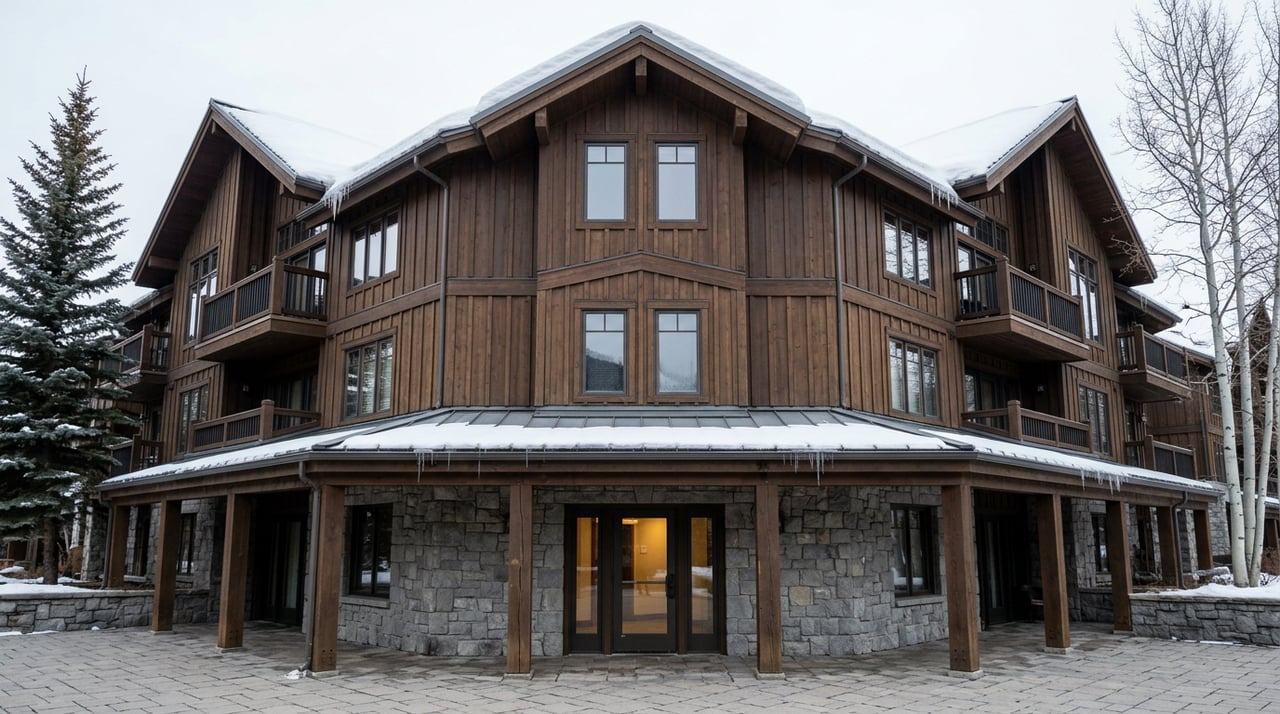
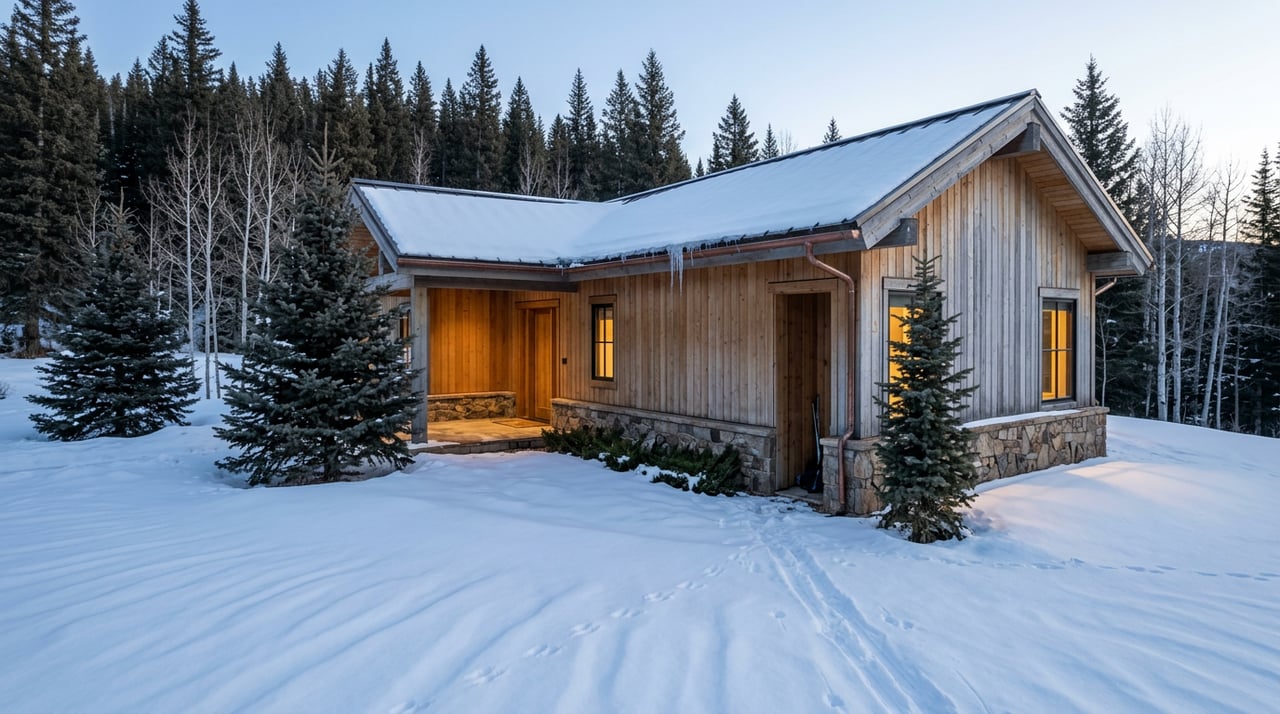
Park City's mountain setting makes seasonal access a real variable that buyers from flat markets consistently underestimate. Visiting a neighborhood in fall — when roads are clear and the sun is still warm — gives an incomplete picture. The same neighborhood in February, with heavy snowfall and ski season traffic on the main corridors, can feel entirely different. We always encourage buyers to evaluate a property in its hardest season, not its most photogenic one.
Access Factors Worth Evaluating
- Road grade and snow management: steeper streets in some neighborhoods require AWD or 4WD and can be genuinely challenging after overnight snow
- Proximity to Highway 224 or I-80 for anyone who needs reliable valley egress in all conditions
- Parking — both at the property and for guests — operates very differently in ski season than in summer
- Distance to grocery stores and daily services matters more for full-time residents than it does for weekend visitors
Think About Resale From Day One
Buying a home in Park City means entering a market driven by seasonal demand, resort proximity, and lifestyle appeal to out-of-state buyers. The characteristics that make a neighborhood compelling to you are often the same ones that will attract a future buyer — but not always. Niche appeal can quietly limit your resale pool in ways that aren't obvious when you're falling in love with a property.
What Strong Resale Looks Like in This Market
- Broad lifestyle appeal: access to both skiing and warm-weather recreation consistently produces deeper buyer pools than single-season positioning
- Neighborhood trajectory: communities investing in infrastructure and amenities tend to appreciate more reliably than static ones
- HOA health: well-funded, well-managed associations signal stability and protect values across ownership changes
- Rental flexibility: properties that can generate income when not in use appeal to a wider range of buyer types
Frequently Asked Questions
How different are Park City's neighborhoods from one another?
Significantly. Old Town is walkable and resort-adjacent; Silver Springs is residential with lakes and trail access; Promontory and Glenwild are gated and private; Jeremy Ranch and Pinebrook skew toward full-time families. The difference in daily experience between neighborhoods is larger than the map distances suggest.
Should we visit a neighborhood more than once before buying?
Yes — ideally in different seasons. A neighborhood that feels ideal in summer may have access challenges or parking constraints in February that only become apparent during ski season. We recommend at least one winter visit before an offer is finalized.
How much do HOA fees vary across Park City?
Considerably — from a few hundred dollars monthly in smaller communities to over $1,000 in neighborhoods with gated access or resort-level amenities. Understanding the full fee structure, including reserves and any history of special assessments, is part of every buyer walkthrough we do.
Connect With Jensen and Company Today
The right neighborhood for you exists in Park City — but finding it takes more than a weekend visit. We ask the questions that lead buyers to the right answer rather than the most appealing one in the moment. Reach out to us at Jensen and Company to get started.
Here at Jensen and Company, helping buyers find the right neighborhood — not just the right property — is central to how we work. Let's talk.
Here at Jensen and Company, helping buyers find the right neighborhood — not just the right property — is central to how we work. Let's talk.