By Jensen and Company
Lighting is the most underestimated design element in any home — and the one that makes the biggest difference in how a space feels, photographs, and shows to buyers. We work with homeowners throughout Millcreek who spend significant money on renovations but leave the lighting unchanged, then wonder why the space doesn't feel transformed. Here's what actually works.
Key Takeaways
-
Layered lighting — combining ambient, task, and accent sources — is what separates spaces that feel designed from spaces that feel flat.
-
Bulb color temperature has an enormous effect on how warm or cold a room feels; most Millcreek homes benefit from warmer tones.
-
Replacing dated fixtures is one of the highest-return, lowest-cost updates available before listing a home.
-
Natural light — and how you frame or amplify it — is the most powerful lighting tool in any room.
Why Most Homes Are Lit Wrong
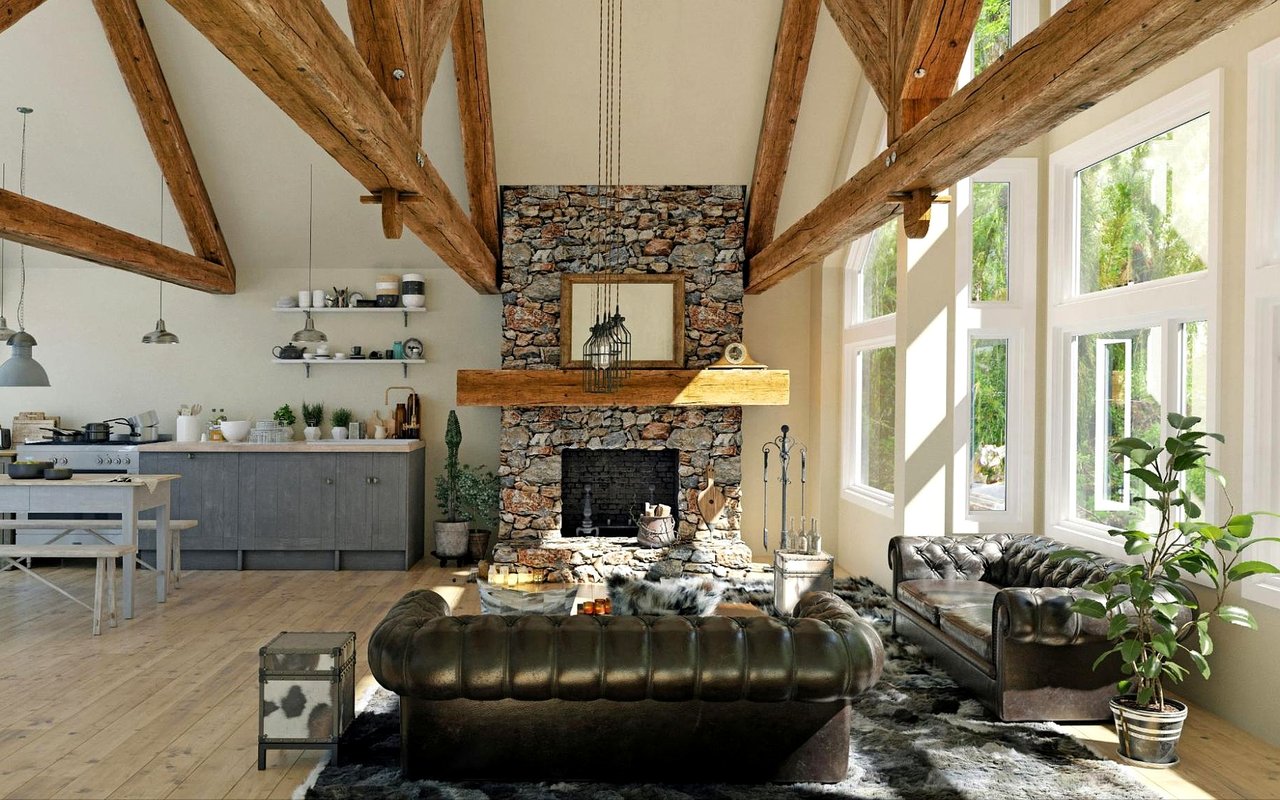
The standard approach in most homes is a single overhead fixture in every room — a ceiling-mounted light that casts light downward, creates flat illumination, and produces shadows at face level. It's functional and nothing else. What makes rooms feel warm, welcoming, and photographically beautiful is layered light: multiple sources at different heights creating depth, warmth, and dimension.
In Millcreek's housing stock — which includes mid-century ramblers with low ceilings, 1970s split-levels, and newer builds — the overhead-only approach is common, and it's one of the easiest things to change before a sale or simply to improve daily quality of life. Adding floor lamps, table lamps, and under-cabinet lighting in the kitchen adds sources without requiring an electrician and transforms how rooms read.
In Millcreek's housing stock — which includes mid-century ramblers with low ceilings, 1970s split-levels, and newer builds — the overhead-only approach is common, and it's one of the easiest things to change before a sale or simply to improve daily quality of life. Adding floor lamps, table lamps, and under-cabinet lighting in the kitchen adds sources without requiring an electrician and transforms how rooms read.
The Three Layers of Effective Home Lighting
-
Ambient: the base illumination for the room — ceiling fixtures, recessed lights, chandeliers
-
Task: focused light for specific activities — under-cabinet lights, desk lamps, reading lights
-
Accent: light that creates depth and highlights — wall sconces, picture lights, uplights on plants
Bulb Color Temperature: The Variable Most People Ignore
Color temperature — measured in Kelvin — determines whether light reads as warm or cool. Bulbs around 2700K produce warm, golden light that reads as comfortable and residential. Bulbs at 4000K or above produce cool, blue-white light that reads as clinical — appropriate for workspaces and bathrooms but off-putting in living rooms and bedrooms.
Many Millcreek homeowners have inadvertently mixed color temperatures throughout their homes as bulbs have been replaced over the years, creating an inconsistent feel that buyers sense even when they can't identify why. Walking through the home and standardizing to 2700K warm white bulbs throughout is a free (or nearly free) improvement that meaningfully changes how the whole home feels.
Many Millcreek homeowners have inadvertently mixed color temperatures throughout their homes as bulbs have been replaced over the years, creating an inconsistent feel that buyers sense even when they can't identify why. Walking through the home and standardizing to 2700K warm white bulbs throughout is a free (or nearly free) improvement that meaningfully changes how the whole home feels.
Color Temperature Guidelines by Room
-
Living room and bedrooms: 2700K warm white — cozy, residential, flattering
-
Kitchen: 2700–3000K — warm enough to feel welcoming, bright enough to be functional
-
Bathrooms: 3000K — slightly cooler for task lighting without feeling harsh
-
Home office: 3500–4000K — cooler light supports focus and reduces eye strain
-
Avoid: mixing color temperatures in the same room or open-plan space
Fixture Replacement: The Highest-Return Lighting Investment
Dated light fixtures — brass ceiling fans, builder-grade globes, 1990s track lighting — date a room immediately and are among the first things buyers notice and mentally flag. Replacing them is inexpensive relative to other renovation costs and dramatically changes how a room reads.
In Millcreek's market, matte black and brushed nickel are the most broadly appealing fixture finishes — they coordinate with modern hardware and photograph cleanly. A statement dining pendant or an updated entryway fixture signals to buyers that the home has been cared for and modernized, even if other elements are original.
In Millcreek's market, matte black and brushed nickel are the most broadly appealing fixture finishes — they coordinate with modern hardware and photograph cleanly. A statement dining pendant or an updated entryway fixture signals to buyers that the home has been cared for and modernized, even if other elements are original.
Fixture Replacement Priorities for Millcreek Homes
-
Entryway / foyer: first impression fixture; worth spending more for a statement piece
-
Dining room: pendant or chandelier scaled to the table; one of the most photographed rooms
-
Kitchen: under-cabinet lighting if absent; update any dated overhead fixtures
-
Bathrooms: replace any brass or very dated vanity fixtures — inexpensive and high-impact
-
Bedrooms: ceiling fan with integrated light; modern profile in matte black or brushed nickel
Maximizing Natural Light
Utah's high-altitude light is extraordinary — bright, clear, and directional in a way that makes Millcreek homes feel luminous on sunny days. Maximizing that light starts with keeping windows clean (obvious but consistently overlooked before showings), choosing window treatments that filter rather than block, and arranging furniture so it doesn't interrupt the flow of light through the room.
Mirrors positioned opposite windows double the natural light in darker rooms. Light-colored walls reflect rather than absorb light. Both are free or very low-cost improvements that make meaningful differences in how bright and open a Millcreek home feels.
Mirrors positioned opposite windows double the natural light in darker rooms. Light-colored walls reflect rather than absorb light. Both are free or very low-cost improvements that make meaningful differences in how bright and open a Millcreek home feels.
Ways to Amplify Natural Light in a Millcreek Home
-
Clean windows inside and out — one of the most effective pre-listing improvements
-
Replace heavy drapes with sheer panels or Roman shades that filter without blocking
-
Position mirrors to reflect window light into darker areas of the room
-
Use light-colored paint on walls — warm whites and soft off-whites reflect the most light
-
Trim any exterior landscaping blocking windows that could let in more natural light
Frequently Asked Questions
How much should we budget for lighting updates before listing our Millcreek home?
A comprehensive fixture update — replacing entry, dining, kitchen, and bathroom fixtures — typically runs $500–$1,500 depending on fixture selection, and can be done without an electrician in most cases. It's one of the highest-return pre-listing investments available relative to cost.
Do smart lighting systems add value for buyers in Millcreek?
They can, particularly at higher price points. Smart dimmer switches, smart bulbs, and integrated lighting systems that can be controlled by app or voice are increasingly expected in Millcreek's upper market. A basic smart switch installation is inexpensive and registers well with tech-oriented buyers.
What's the most common lighting mistake we see in Millcreek homes before listing?
Mismatched color temperatures and reliance on overhead-only lighting. Both are easy to fix and have immediate positive effects on how a home feels during showings and photographs in listing images.
Reach Out to Jensen and Company Today
The details that make a Millcreek home feel exceptional on a showing — including lighting — are what we help every seller get right before going to market. Whether you're preparing to list or simply want a better-feeling home, we're here.
Reach out to us at Jensen and Company and let's talk about your property in Millcreek.
Reach out to us at Jensen and Company and let's talk about your property in Millcreek.