By Jensen and Company
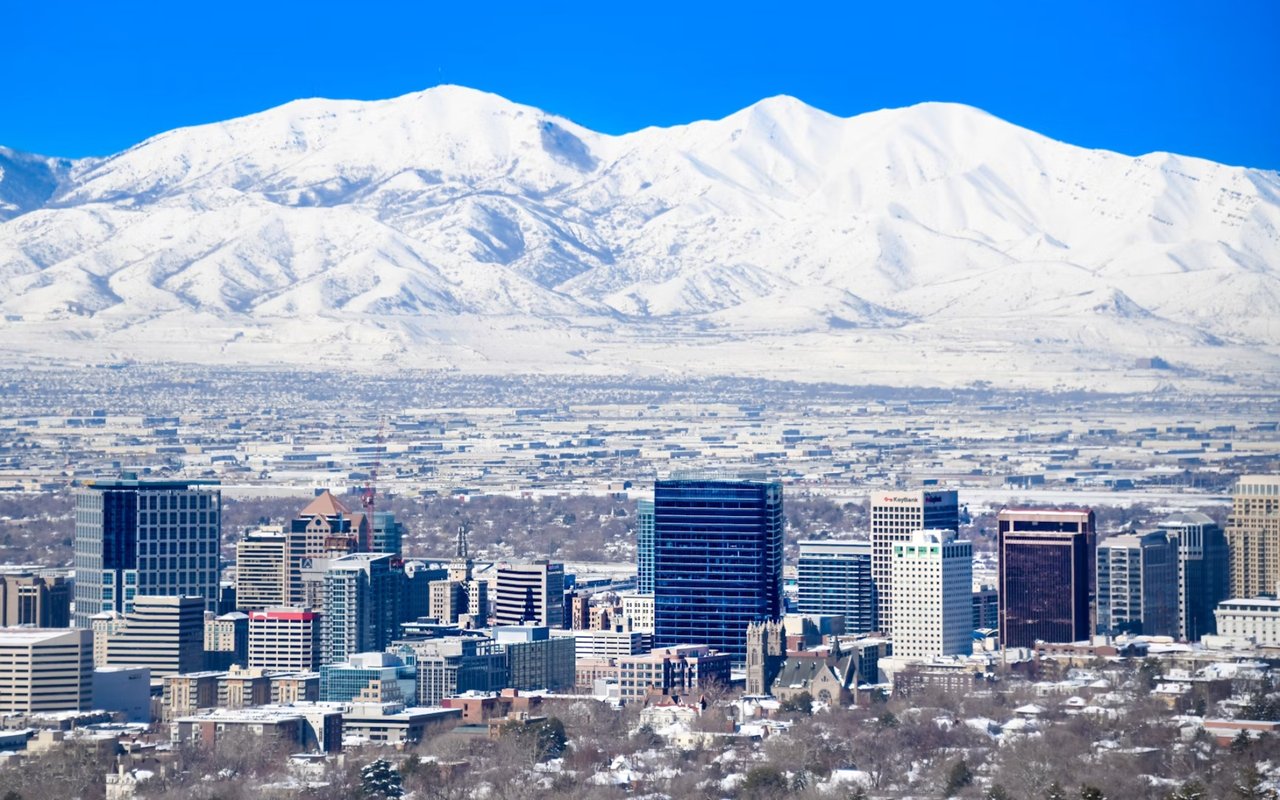
With a population of around 200,000 in the city and over 1.2 million across the Salt Lake Valley, Salt Lake City is large enough to support strong job opportunities, restaurants, and entertainment while remaining manageable day to day.
Moving to Salt Lake City means entering a city that combines a serious tech-driven economy with immediate access to the outdoors. This guide covers what you need to know before you make the move.
Key Takeaways
- Housing costs are the primary budget driver: East-side neighborhoods carrying meaningful premiums over west-side and downtown options
- The job market is broad but shifting: Silicon Slopes anchors the regional economy, but the tech sector is diversifying toward healthcare, financial services, and data infrastructure
- Neighborhood character varies significantly: The Avenues, Sugar House, East Bench, and 9th and 9th each offer a distinct experience, and where you land in the valley has a real impact on daily life
- Utah's tax environment is favorable: A flat 4.55 percent state income tax makes the financial case for relocation compelling for buyers from California and other high-tax states
The Housing Market
As of early 2026, east-bench neighborhoods including Federal Heights, Yalecrest, and the Upper Avenues carry meaningful premiums over west-side and downtown options.
What Buyers Should Know About the Salt Lake City Market
- Well-priced homes move quickly: Salt Lake City offers more walkability, job access, and urban lifestyle options than surrounding areas. Well-priced homes still move quickly, especially in desirable neighborhoods
- Most central housing stock is pre-1960: Buyers who want new construction at scale typically look south to South Jordan, Herriman, or Eagle Mountain, or north to Bountiful and North Salt Lake
- The Olympic cycle is a factor for long-horizon buyers: Buyers planning to capture the Olympic cycle should give weight to foothill bench neighborhoods including the Avenues, Federal Heights, and Mt. Olympus, and canyon-gateway communities like Cottonwood Heights and Holladay
We work with relocation buyers every week and can help you identify which neighborhoods align with your budget and priorities before you start touring.
Neighborhoods Worth Knowing
Salt Lake City's neighborhoods are unusually distinct for a metro of its size. Where you land shapes commute, school access, outdoor proximity, and daily pace in ways that vary more than most relocating buyers expect.
Four Neighborhoods That Define the City's Range
- The Avenues: A walkable east-side neighborhood above downtown, known for historic architecture and proximity to the University of Utah. Greater Avenues offers views and historic architecture
- Sugar House: A popular area for first and second-time buyers, known for bungalow and arts-and-crafts architecture, locally owned businesses, and parks
- East Bench: The city's most established high-demand corridor, running from Federal Heights through Yalecrest to Mt. Olympus
- 9th and 9th: A compact, walkable district with independent restaurants and retail. Buyers who prioritize short commutes and access to dining consistently point to Downtown, Capitol Hill, and 9th and 9th
Some buyers choose to live just outside the city in areas like Draper, Sandy, or South Jordan, where you get more space, newer homes, and a different pace of life.
The Job Market
Moving to Salt Lake City puts you inside one of the healthiest regional economies in the Mountain West. Salt Lake City's employment landscape is shaped by a balanced mix of tech, life sciences, healthcare, financial services, aerospace, and defense.
What the Current Job Market Looks Like
- Silicon Slopes anchors the tech economy: Silicon Slopes has grown into a genuine national tech hub with over 5,000 technology companies and the highest concentration of tech jobs per capita outside California
- The sector is diversifying: Meta, Google, and Microsoft are investing in data center infrastructure along the I-15 corridor, creating demand for facilities engineers, network architects, and site reliability specialists
- Healthcare and financial services provide stability: Major employers include Goldman Sachs and Morgan Stanley, and life sciences remains one of the fastest-growing sectors in the region
Tech workers in Salt Lake City earn salaries in the $100,000 to $220,000 range while living in a metro where homes cost $400,000 to $600,000, compared to $1.5 million to $4 million in the Bay Area or Seattle.
Cost of Living and Taxes
For buyers relocating from California, the East Coast, or Texas, Utah's overall cost of living runs about 5 to 7 percent below the national average, with the main savings in utilities, taxes, and insurance.
The Financial Case for Relocating to Utah
- A flat state income tax: Utah's flat 4.55 percent income tax adds meaningful savings versus high-tax states like California at up to 12.3 percent or New York at up to 10.9 percent
- Groceries and utilities run near the national average: Groceries in Utah run roughly 2 percent below the national average, and utility costs generally track near or below national benchmarks
- Property taxes are modest: Clark County-equivalent Utah residential property tax rates are among the lower ones in the West, adding to the overall financial case for buyers coming from higher-cost states
The financial picture varies significantly depending on where you are relocating from. We can help you run a direct comparison against your current market.
FAQs
How Competitive Is the Salt Lake City Real Estate Market Right Now?
The market has moderated from its 2021 to 2022 peak but remains active in established east-side neighborhoods. Buyers have more negotiating room than they did several years ago, but well-priced inventory in desirable areas still moves.
Is Salt Lake City a Good Place to Relocate for Families?
Neighborhoods such as The Avenues, East Bench, and Sugar House are frequently highlighted for strong community atmosphere, and East Bench, Sugar House, and Holladay are noted for top-rated public and private schools.
What Should I Do Before Moving to Salt Lake City?
Identify which part of the valley matches your work location and lifestyle priorities, since commute patterns differ significantly across the metro. Get pre-approved for financing before touring homes, particularly in east-side neighborhoods where inventory moves quickly.
Contact Jensen and Company
We specialize in relocation buyers and work with clients moving to Salt Lake City from across the country every year.
Whether you're in the early research phase or ready to begin touring, reach out to us at Jensen and Company and let's talk through your move.
Whether you're in the early research phase or ready to begin touring, reach out to us at Jensen and Company and let's talk through your move.