By Jensen and Company
Most real estate markets follow a relatively predictable seasonal rhythm. Park City doesn't. A resort market driven by two distinct visitor seasons, a significant second-home buyer pool, and international demand creates a selling environment that operates on its own calendar — one that rewards sellers who understand it and punishes those who apply conventional wisdom from other markets. We've guided sellers through Park City's seasonality for years, and the most important thing we can tell you is that timing here isn't just a detail. It's strategy.
Key Takeaways
- How Park City's ski and summer seasons create two distinct windows of peak buyer activity
- How to manage showings when your most motivated buyers may not be in town
- What seasonal pricing dynamics actually look like in practice
Park City Has Two Peak Seasons — and Both Matter
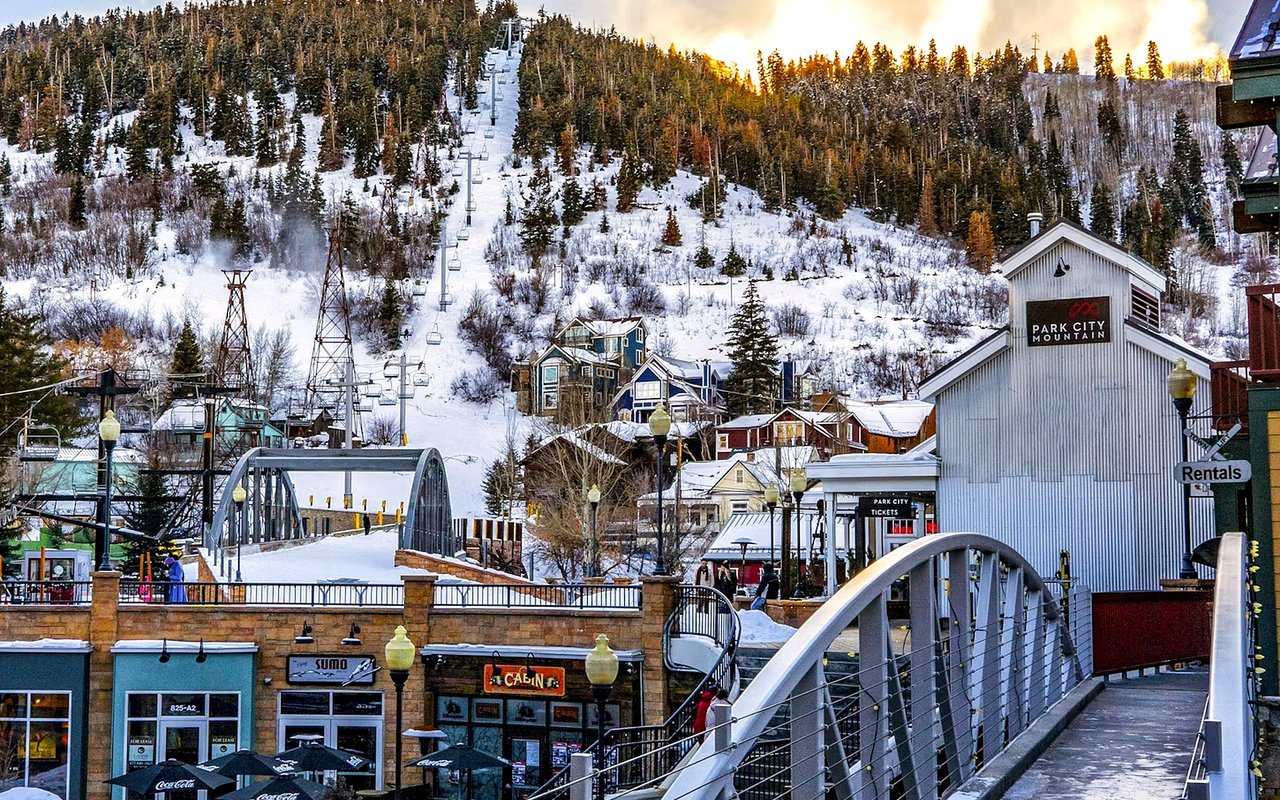
Unlike most markets where spring is the clear high-water mark for seller activity, Park City operates around two genuine peaks: ski season (roughly December through March) and the summer outdoor recreation window (June through August). Both bring high-intent buyers into the market — people who are experiencing the lifestyle that a Park City property makes possible and are motivated to make it permanent. Deer Valley, Park City Mountain Resort, and the surrounding trail networks aren't abstract amenities to these buyers; they're the reason the purchase makes sense.
How Each Season Attracts a Different Type of Buyer
- Ski season buyers are often evaluating properties between runs — they're physically in Park City at its peak, emotionally engaged with the lifestyle, and primed to make decisions
- Summer buyers tend to be more deliberate — they're often researching long-term lifestyle transitions rather than making in-the-moment investment decisions
- Shoulder seasons (April through May and October through November) see significantly reduced buyer activity; inventory sits longer and offers tend to arrive with more negotiating room built in
- Sundance Film Festival in January creates a secondary spike in visibility and foot traffic that can occasionally accelerate timelines for well-positioned listings
Showing to Buyers Who Aren't Always in Town
Selling your home in Park City means selling to a buyer pool that is frequently remote. Many of the most motivated purchasers — second-home buyers from California, Texas, the Mountain West, and internationally — are not physically present for much of the year. This shapes how showings get organized, how offers come in, and how transactions move from accepted offer to close. The sellers who adapt to this reality sell faster and with less friction than those who expect the process to mirror a traditional primary-residence transaction.
How to Prepare for a Remote Buyer Pool
- High-quality photography and video are non-negotiable — for a significant portion of your buyers, these assets will constitute their primary experience of the property before an offer is submitted
- Virtual tours and 3D walkthroughs materially expand reach to out-of-state and international buyers who cannot visit during the listing window
- Flexible showing availability is essential: buyers who fly in for a ski weekend may have a narrow window that doesn't align with standard showing hours
- Work with an agent who has a documented process for remote offer management and can move a transaction efficiently without requiring in-person presence at every step
Pricing Against the Season, Not Just the Comps
In most markets, comparable sales drive pricing decisions. In Park City, timing adds a meaningful variable that comps alone can't fully capture. A property that sold in February at peak ski season is not a perfect comparable for one going live in April — even with identical square footage and location. Seasonal demand affects what buyers are willing to pay, and pricing that ignores the calendar costs sellers money in peak windows and creates extended market time in slower ones.
How Seasonal Pricing Logic Works in Practice
- Peak-season listings can support pricing at or above recent comps when inventory is limited and buyer demand is concentrated in a short window
- Shoulder-season listings often require a measured adjustment to attract the buyers who are active in slower periods — buyers who know they have more leverage and will use it
- Price reductions mid-season are more damaging in a resort market than in a year-round one: a January reduction signals distress to a buyer pool that is already scrutinizing everything carefully
- We model pricing scenarios across multiple seasonal entry points before recommending a list price — the timing and the number are inseparable decisions in this market
Frequently Asked Questions
What is the single best time of year to list in Park City?
For most property types, late November through February captures the highest concentration of motivated, qualified buyers. That said, the right timing depends on your specific property — a home with strong rental income history may perform differently than a summer-focused property near the trail network. We model this individually for every listing rather than applying a universal rule.
How do we handle offers from buyers who haven't seen the property in person?
It happens regularly in this market, and we're experienced managing it well. Strong visual assets, a transparent disclosure process, and clear communication throughout reduce the risk on both sides. Buyers submitting remote offers have typically done significant due diligence before committing — the offer is rarely impulsive.
Should we take the property off the market between peak seasons?
In most cases, no — but there are exceptions. A listing that has accumulated significant days on market through a slow season can benefit from a strategic reset before re-entering at a peak window. We evaluate this case by case, and the right answer depends on your timeline, pricing history, and how the property showed during its active period.
Connect With Jensen and Company Today
Park City's seasonal market rewards preparation and penalizes guesswork. Whether you're thinking about listing this winter, positioning for summer, or working through the right strategy for your specific property, we're here to help you think through it. Reach out to us at Jensen and Company to get started.
Here at Jensen and Company, we've spent years learning how Park City's market actually moves — and we put that knowledge to work for every seller we represent. Let's talk timing.
Here at Jensen and Company, we've spent years learning how Park City's market actually moves — and we put that knowledge to work for every seller we represent. Let's talk timing.